Source Sterile Waterproof Surgical Drape for Hospitals, Clinics, and Surgery Rooms
Compare 30 listings for sterile waterproof surgical drape from verified Chinese manufacturers. Buyers can evaluate specifications like material, sterilization methods, and packaging options to find suitable supplies for hospital and medical area applications; compare the available evidence and request quotations based on your requirements.
Key considerations
Products List


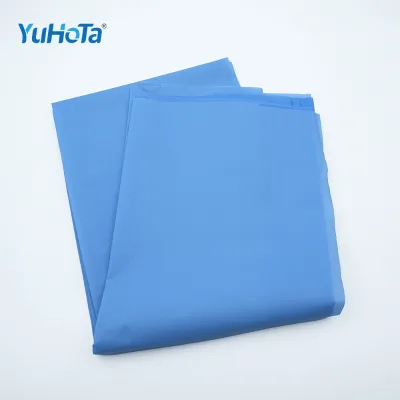
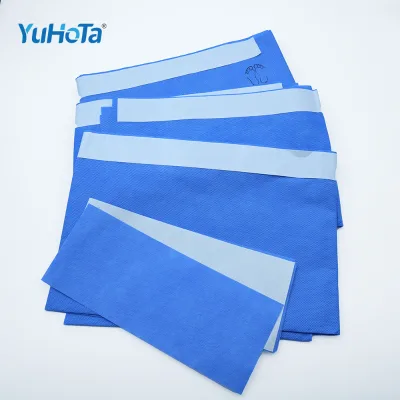


Comprehensive Sourcing Guide
Sterile Waterproof Surgical Drape Sourcing Guide
Procuring sterile waterproof surgical drapes requires a disciplined approach to balancing clinical efficacy with supply chain reliability. These critical components form the primary barrier between the sterile surgical field and potential contaminants, making their material integrity and sterilization status non-negotiable for patient safety. Buyers must prioritize vendors who demonstrate consistent quality control over those offering the lowest unit costs, as failures in drape performance can lead to severe surgical site infections and procedural delays.
The sourcing landscape for these items is characterized by a wide variance in material composition, packaging standards, and regulatory compliance. While many suppliers advertise similar product categories, the actual specifications regarding fluid repellency, breathability, and adhesive strength can differ significantly. Understanding these nuances is essential for developing a robust procurement strategy that aligns with hospital protocols and ensures that every delivered unit meets the rigorous demands of modern operating room environments.
Product Scope and Observed Listing Signals
The observed market signals indicate a diverse range of surgical drape configurations, including adhesive drapes, universal packs, and standard operation room drapes. Listings frequently highlight materials such as non-woven fabric, SMS, SMMS, and Dural Layer constructions, which are selected for their specific balance of strength, fluid resistance, and comfort. Buyers should note that product models like D-018, SD-04, and TB02B represent distinct variations in design, with some featuring holes for surgical access while others provide complete coverage.
Pricing observations suggest a broad range, with unit costs potentially starting as low as $0.03, though this likely reflects bulk tier pricing for basic items. Minimum order quantities vary widely, from small trial orders of one piece to large industrial batches of 50,000 pieces, with some suppliers setting a standard MOQ of 2,000 pieces per item. This variability allows buyers to scale their procurement based on immediate clinical needs and storage capacity, but it also necessitates careful calculation of total landed costs, including shipping and handling fees for large volumes.
Technical Specifications to Verify
Material composition is the most critical technical factor, with suppliers offering options like SBPP, PP+PE, and various non-woven blends. Buyers must verify that the selected material provides adequate alcohol, blood, and fluid repellency while maintaining breathability to ensure patient comfort during prolonged procedures. The presence of a Dural Layer or SMS/SMMS construction often indicates enhanced durability and liquid barrier performance, which are essential for maintaining a sterile field in high-risk surgeries.
Packaging and sterilization methods also require strict verification, as improper handling can compromise the sterile barrier. Common packaging formats include sterile pouches, blister bags, and poly-paper combinations, with quantities ranging from single pieces to sets of 100 per bag. Ethylene oxide sterilization is a standard method cited in listings, but buyers should confirm that the packaging integrity remains intact until the point of use. Additionally, dimensions such as 75x75cm or 150x180cm must match the specific procedural requirements of the surgical teams.
Compliance and Safety Documentation
Regulatory compliance is paramount when sourcing medical drapes, with certifications such as CE, ISO 13485, and FDA clearance serving as key indicators of quality management systems. Buyers should request valid certificates for each product model, ensuring that the documentation is current and issued by recognized accreditation bodies. The presence of ISO 13485 certification specifically indicates that the manufacturer adheres to international standards for medical device quality management, which is crucial for risk mitigation in procurement.
Beyond certifications, buyers must verify that the products meet relevant safety standards for biocompatibility and sterilization efficacy. While some listings mention EN 13795, this standard is typically associated with disposable surgical gowns rather than drapes, so buyers should clarify the exact applicable standards for their specific product type. Ensuring that the supplier provides clear documentation on the sterilization process and shelf-life testing results is essential for maintaining compliance with hospital infection control policies and regulatory audits.
Cost Drivers and Commercial Terms
Several factors influence the final cost of sterile surgical drapes, including material complexity, sterilization method, and packaging requirements. Customization options, such as logo printing or specific hole patterns, can add to the production cost and potentially increase the minimum order quantity. Buyers should also consider the impact of delivery times, which can range from 20 to 35 days, on their overall procurement budget and inventory management strategies.
Commercial terms often include quality guarantee periods, with many suppliers offering a two-year warranty on their products. This guarantee provides a layer of protection against defects but should be clearly defined in the purchase agreement. Buyers should negotiate terms that address potential issues such as damaged packaging or non-conforming materials, ensuring that they have recourse for replacements or credits without incurring additional shipping costs.
Supplier Qualification and Quality Control
Evaluating supplier qualifications involves more than just reviewing certifications; it requires an assessment of their manufacturing capabilities and quality control processes. Buyers should inquire about the supplier’s origin, with many manufacturers located in regions like Hubei, China, and verify their production capacity to ensure they can meet demand spikes. Understanding the supplier’s internal quality assurance protocols, including routine testing for fluid repellency and tensile strength, is vital for ensuring consistent product performance.
Quality control should also extend to the packaging and labeling process, as these elements are critical for maintaining sterility and providing clear usage instructions. Buyers should request samples to physically inspect the product quality, checking for defects in the non-woven fabric, the integrity of the adhesive, and the clarity of the packaging labels. Establishing a clear communication channel with the supplier for addressing any quality concerns promptly is essential for maintaining a reliable supply chain.
Long-Term Procurement Checks
Establishing long-term procurement relationships requires regular audits and performance reviews to ensure ongoing compliance and quality. Buyers should schedule periodic reviews of supplier performance, focusing on metrics such as on-time delivery, defect rates, and responsiveness to issues. These reviews help identify potential risks early and allow for corrective actions to be taken before they impact surgical operations or patient safety.
Continuous monitoring of regulatory changes and industry standards is also essential, as requirements for medical devices can evolve over time. Buyers should stay informed about updates to ISO standards, FDA regulations, and local hospital policies that may affect the procurement of sterile drapes. By maintaining a proactive approach to supplier management and regulatory compliance, buyers can ensure a stable and reliable supply of high-quality surgical drapes for their healthcare facilities.
FAQs
What certifications do these sterile waterproof surgical drapes have?
Listed drapes carry certifications including CE, ISO, ISO13485, and FDA depending on the product model. Certification varies by item, so buyers should confirm the exact certificate for the specific drape model before ordering. Requesting copies of valid certificates from the supplier is a standard step in B2B procurement for surgical supplies.
What sizes are available for sterile waterproof surgical drapes?
Available sizes include 75X75cm, 100X100cm, 150X180cm, and 15X50cm across the listed models. Many drapes are offered with a hole or without a hole to suit different procedures. Buyers needing other dimensions can use the customization option, which is available on these products, and should confirm feasibility with the supplier first.
What is the minimum order quantity for surgical drapes?
The listed minimum order quantity is 2000 pieces per item for one product line, while MOQ across the catalog ranges from 1 to 50000 pieces. Actual MOQ depends on the specific drape model, packaging, and customization level. Buyers should confirm MOQ directly with each supplier before requesting a formal quotation.
How are the drapes packaged and sterilized?
Packaging options include one piece per sterile pouch, blister bag, poly bag, or paper-poly pouch, with cartons such as 20 pieces per carton or 30 bags per carton. Ethylene oxide sterilization is used on these products. Confirm the packing format and sterilization method for your chosen model when placing the order.
What materials are used for these surgical drapes?
Regular materials include SMS, SMMS, SBPP, PP+PE, and multi-layer non-woven fabric. These materials are breathable, disposable, and designed to repel alcohol, blood, and fluids while preventing bacteria and dust. Material choice affects barrier performance and comfort, so buyers should specify the preferred material when requesting samples or quotations.
Can I get custom logo printing and OEM customization on drapes?
Yes, customization is available, and options include drapes with logo printing or without logo printing. Buyers can typically customize size, material, packaging, and branding subject to supplier confirmation. Logo printing may affect minimum order quantity and unit pricing, so discuss these details with the supplier before confirming a purchase order.